
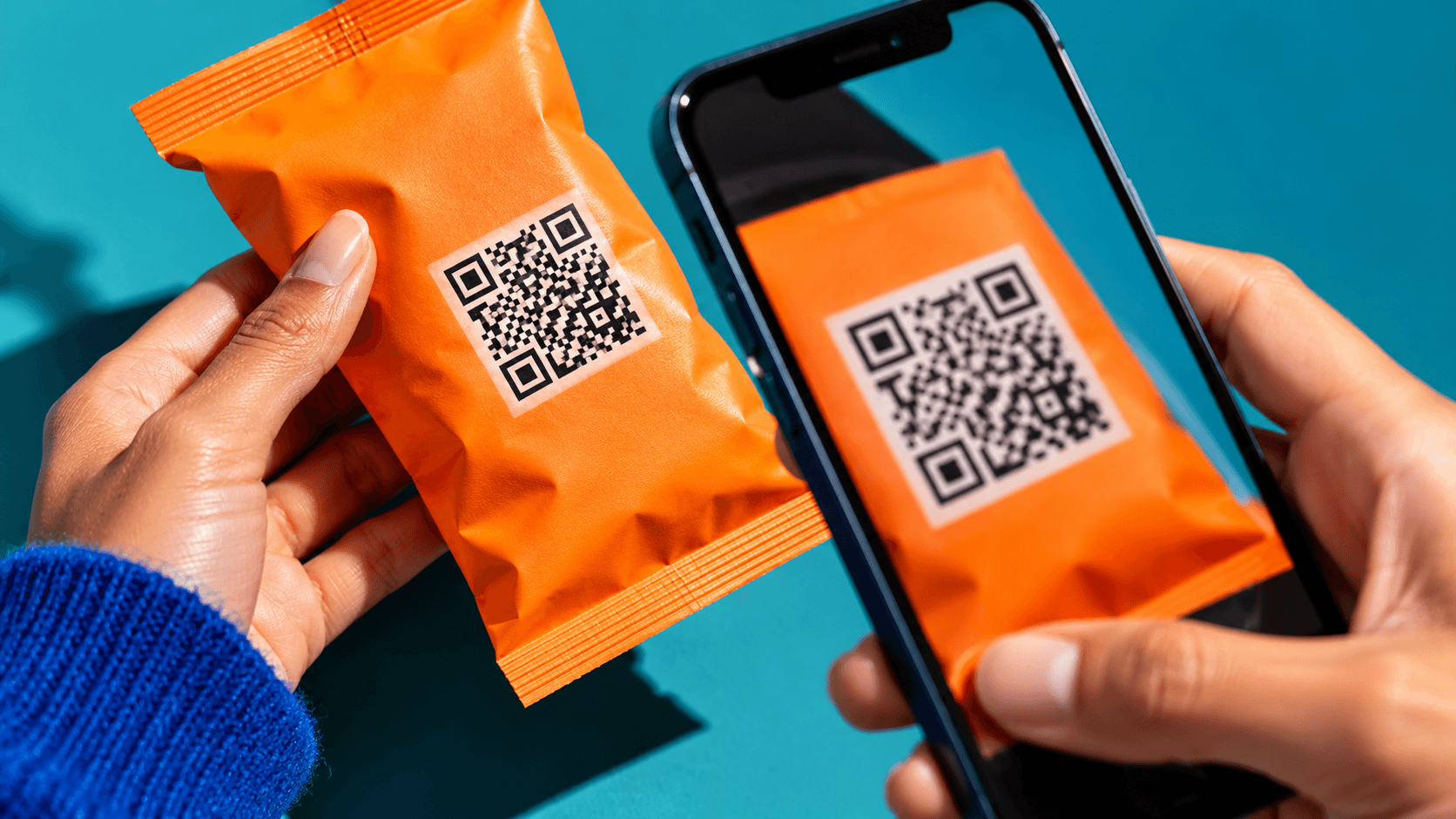
The strongest freebie programs in 2026 are not “digital or sampling.” They are digital activation plus tangible trial in one journey: discover or qualify online (or via a kit QR / guide), experience the product in hand, then continue on owned channels with consented data. That is the hybrid model Care Direct summarises as sampling expanded digitally into Online Platforms and CRM — and what brand managers mean when they search for digital experiences built around free samples.
Why you need both media, not a swap
USPS OIG research with Temple University’s Center for Neural Decision Making found digital ads are processed faster, while physical ads produce stronger emotional response, better week-later memory, and brain activity linked to product value and purchase intent. Sampling adds a third layer digital cannot fake: diagnostic trial (see the reciprocity vs diagnosticity findings in free-sample research). So the art is sequencing: digital for speed and scale, physical kit/guide for memory and proof, follow-up CRM for relationship.
Physical vs digital memory
Digital
Faster at first glance
Processed quickly — strong for speed and scale.
Physical
Stronger a week later
Longer memory, stronger emotion and purchase-intent signals.
What “combining” looks like in practice
- Life-stage kit in hand (clinic, school, campus) + printed or digital guide
- Registration / QR / Online Platform that continues education after the freebie
- Consented email, SMS or community follow-up — not bought lists
- Always-on digital media between life-stage peaks, measured against trial KPIs
Mondelēz has publicly described increasing sampling investment while shifting more of the mix toward digitally led tactics, without abandoning high-profile in-store experiential trial — and measuring programs with marketing mix models. Separately, Mondelēz leaders have described multi-year work to build first-party data ecosystems for a cookieless world. That is the same architecture a hybrid freebie brief should copy: trial event → value exchange → owned relationship.
2026 digital-sampling themes that fit tangible kits
SoPost’s 2026 outlook frames digital product sampling as proof and data, not spray-and-pray: consumers want verifiable results; brands pair digital discovery with physical trial; zero- and first-party preference data replace third-party cookie bets; omni-trial journeys (for example AR try-on then a physical sample) raise confidence before checkout. Even if your channel is a maternity or school kit rather than e-commerce fulfilment, the design principles travel — qualify relevance, deliver a real sample, capture consented insights, path to purchase.
Make the freebie the start of a digital experience
Treat the tangible sample as the “login” to the brand experience. The kit proves the product; the guide and Online Platforms teach; registration (under GDPR: freely given, specific, informed, affirmative consent) opens personalisation. Without the physical proof, digital activation is another claim. Without the digital layer, the freebie is a sunk cost with no second moment.
The START complete experience
Brief checklist for hybrid freebie programs
- Primary KPI: trial / consideration — not impressions alone
- Physical: sample format, kit context, guide keepability
- Digital: which Online Platforms, QR/landing, content calendar after distribution
- Data: fields collected, consent copy, withdraw path, CRM use cases
- Markets and life stage: so creative and logistics stay comparable across SEE
START programs are built on that kit → digital guide → CRM / targeted email → Online Platform stack. Open the life stage that matches your buyer, then join a START with digital and sample specs in the same brief.